October 27, 2025
Read More
Follow Their Interests (Early Literacy Tip)
Your child's interests can be the hook to dive into reading.

Your child's interests can be the hook to dive into reading.
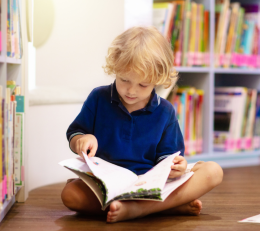
Stocking your home with kid-friendly books doesn't take a lot of money — just some trips to the library. Take a walk around the library with your child and look at the book collections. In the children's section, read the signs on the shelves.
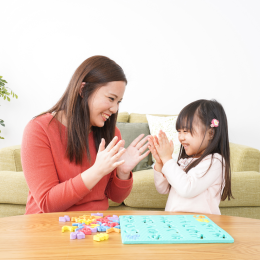
Vocabulary development during the preschool years is related to later reading skills and school success in general. Use gestures and facial expressions to help children make sense of new words.
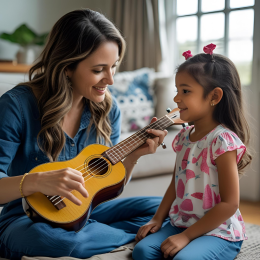
To help preschoolers build their vocabularies, use new and interesting words in natural conversations. Try this at mealtimes or when presenting a new toy or material.
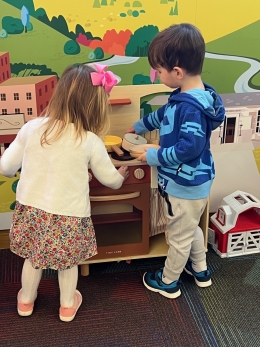
Plan regular trips to the library. Getting your child a library card can get them excited about books. Don’t worry about reading every book — library trips should be fun.
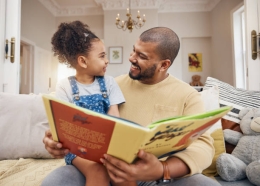
By age 4, children begin to recognize letters. You can point out words in a book that begin with the same letter to your preschooler to help them become familiar with the letter and begin to associate certain words with that letter.
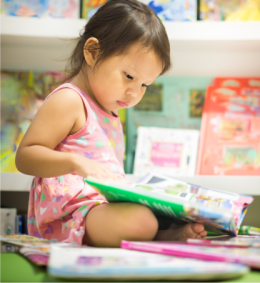
As you read to your child, make the experience interactive by asking them questions, such as “What do you think will happen next?” “What was your favorite part of the story? Why?”
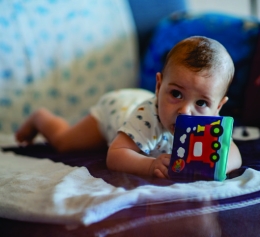
By age 1, babies can grab books. Board and cloth books are great options for babies who like to touch things and put everything in their mouths.
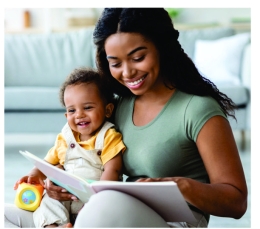
Reading to babies is important for healthy brain development and lays the foundation for language and writing skills.
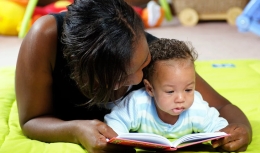
Very simple, small actions during reading can have a big impact on what a child takes away from sharing a book with an adult.
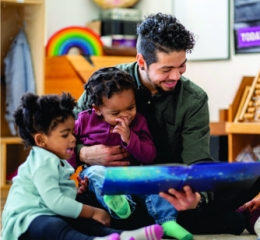
Look for new books and authors that your child may enjoy.
Organize an area dedicated to reading and writing tools.
Visit the library for story time and book recommendations.
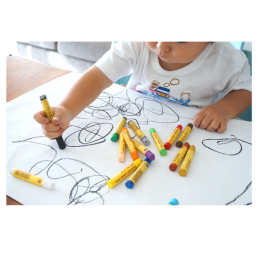
Reading and writing go hand in hand. Both represent spoken language and communicate information. Children can learn pre-reading skills by participating in writing activities like scribbling, drawing, and forming letters.
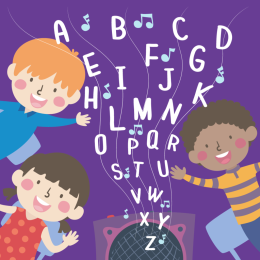
Songs are a wonderful way for children to learn about language. Singing also slows down language so children can hear the different sounds that make up words. This helps children when they begin to read printed language.
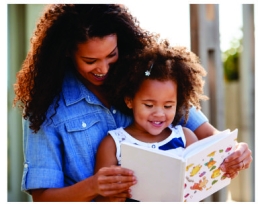
Reading together is the single most important way you can help prepare your child to read. Starting from birth, shared reading increases vocabulary and general knowledge while helping children develop an interest in reading.